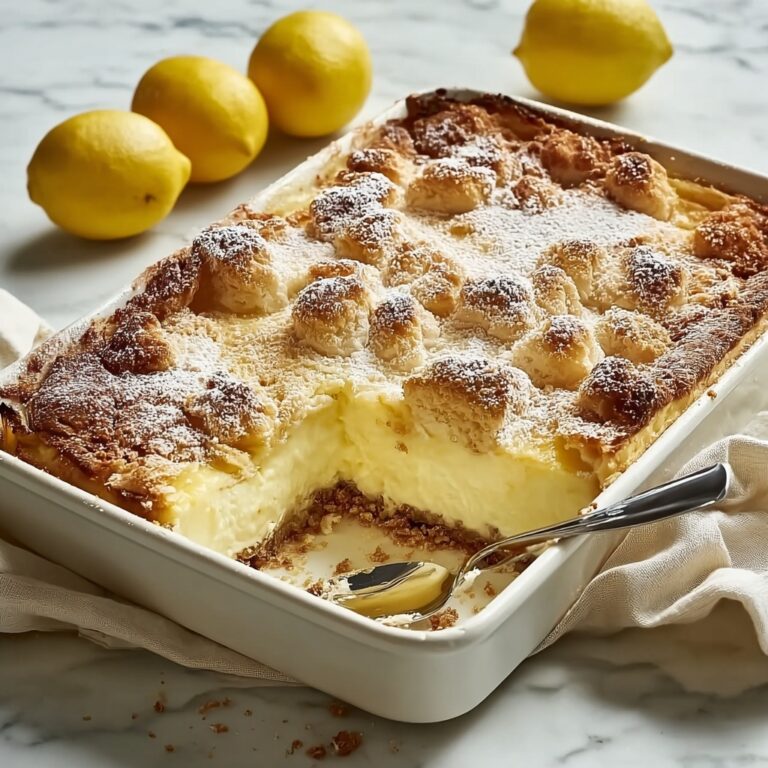
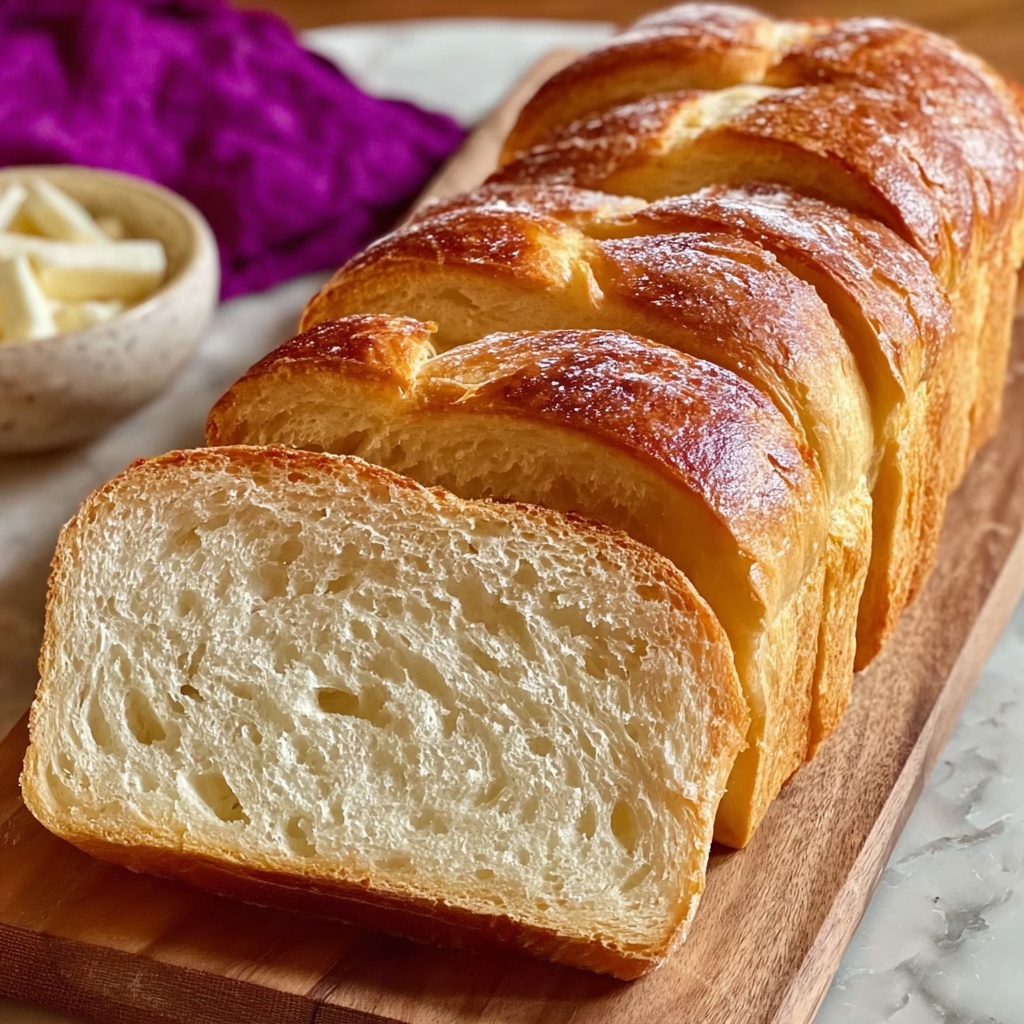
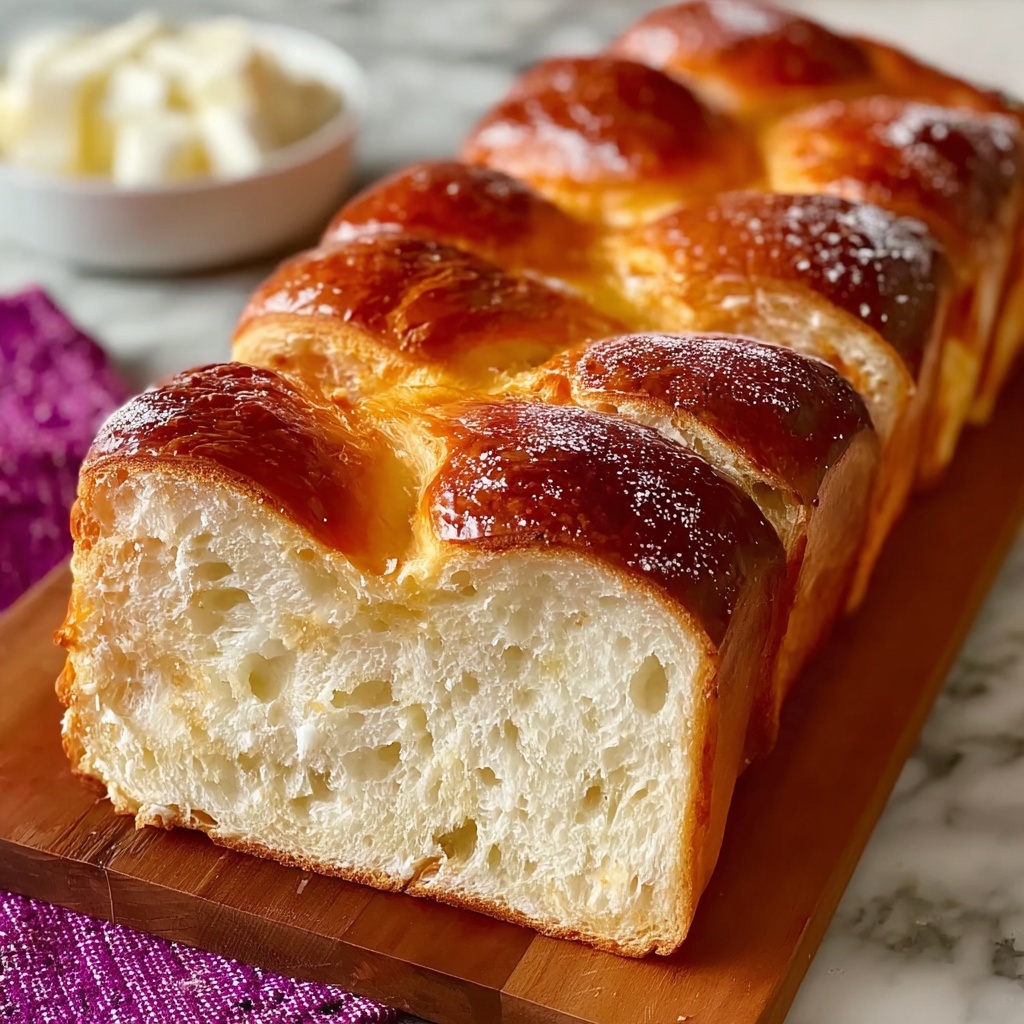
If you have ever dreamed of biting into a loaf that is perfectly airy, tender, and has that irresistible golden crust, then this Soft and Fluffy French Bread Recipe is going to be your new obsession. It’s the kind of bread that feels like a warm hug with every slice, making it ideal for everything from simple buttered toasts to elegant sandwiches. The magic lies in the balance of ingredients and the time taken to nurture the dough into a light and pillowy masterpiece. Trust me, once you try this, store-bought bread will feel like a compromise.
Ingredients You’ll Need
Making this Soft and Fluffy French Bread Recipe requires just a handful of simple pantry staples, each playing a crucial role in creating that perfect texture and flavor. These ingredients are easy to find but come together to produce something truly special.
- All-purpose flour: The backbone of the bread, providing structure and chewiness.
- Warm water: Activates the yeast and helps form the dough’s consistency.
- Olive oil (or vegetable oil): Adds moisture and gives the bread a tender crumb.
- White granulated sugar: Feeds the yeast and helps with browning the crust.
- Salt: Enhances the flavor and controls yeast activity for a balanced rise.
- Active dry yeast: The living ingredient that makes the bread rise and become fluffy.
- Egg (beaten): Used for brushing the crust to achieve a beautiful golden shine.
How to Make Soft and Fluffy French Bread Recipe
Step 1: Activate the Yeast
Begin by dissolving the sugar in the warm water, then sprinkle the active dry yeast on top. Let it sit for about 5 to 10 minutes until it becomes frothy and bubbly. This step confirms that your yeast is alive and ready to work its magic, setting the stage for your bread’s fluffy rise.
Step 2: Prepare the Dough
In a large mixing bowl, combine 2.5 cups of the all-purpose flour and salt. Add the yeast mixture and olive oil into the flour and begin stirring to form a dough. If the dough feels too sticky, gradually add up to half a cup more flour until it releases from the bowl edges but remains soft.
Step 3: Knead the Dough
Turn the dough onto a lightly floured surface and knead it with your hands for about 8 to 10 minutes. Kneading develops the gluten, which gives the bread its chewy yet tender structure. The dough should become smooth, elastic, and just a tad springy to the touch.
Step 4: First Rise
Place the dough in a lightly oiled bowl and cover it with a clean kitchen towel or plastic wrap. Let it rise in a warm, draft-free spot for about 1 to 1.5 hours or until it doubles in size. This patient process is when the yeast creates all those tiny air pockets that make the bread so soft.
Step 5: Shape the Loaf
Once risen, gently punch down the dough to release excess air. Shape the dough into a long oval or traditional baguette form on a lightly floured surface. This shaping not only defines the bread’s final look but also influences the crumb texture inside.
Step 6: Second Rise
Place the shaped dough onto a baking sheet lined with parchment paper and cover it again. Let it rise for another 30 to 45 minutes. This second proofing step ensures the bread will have that exceptional softness when baked.
Step 7: Score the Dough
Using a sharp knife or bread lame, make a few diagonal slashes on top of the dough. These cuts allow steam to escape during baking and give your loaf that classic French bread appearance.
Step 8: Brush with Egg Wash
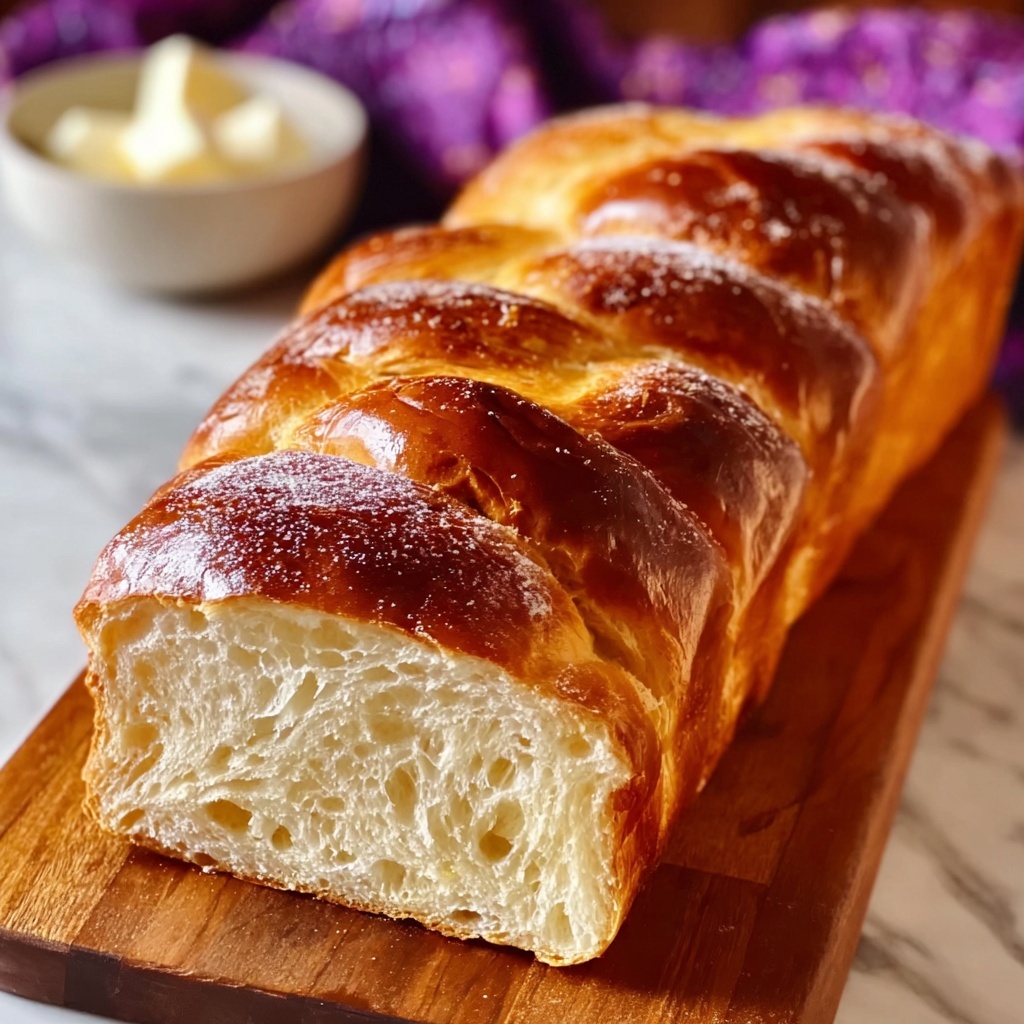
Brush the surface lightly with the beaten egg. This step adds a gorgeous golden sheen and a slight crispness to the crust while keeping the inside irresistibly soft.
Step 9: Bake
Preheat your oven to 375°F (190°C) and bake the bread for around 25 minutes. Keep an eye on the loaf as it bakes; you’re aiming for a golden crust, and tapping the bottom should sound hollow—an old baker’s trick to know it’s done.
Step 10: Cool Completely
Once baked, transfer the bread to a wire rack and let it cool completely before slicing. This allows the crumb to set and prevents it from becoming gummy.
Step 11: Ready to Enjoy!
Slice your Soft and Fluffy French Bread and get ready to savor each bite. Whether plain, toasted, or part of your favorite sandwich, the freshness will shine through.
How to Serve Soft and Fluffy French Bread Recipe
Garnishes
While the bread itself is delicious as is, adding a sprinkle of fresh herbs like rosemary, or brushing with a bit of garlic butter, can elevate it for a quick snack or appetizer. Even a light dusting of sea salt on the crust before baking adds a lovely finishing touch.
Side Dishes
This bread pairs beautifully with soups like tomato basil or creamy potato leek, as well as hearty stews. It’s also perfect alongside a cheese board or a fresh salad, where its soft texture balances the other flavors on the plate perfectly.
Creative Ways to Present
Slice the bread thickly and use it as a base for bruschetta toppings, or cube it to make delightfully crunchy croutons for salads or soups. You can even turn slices into French toast for a savory-sweet breakfast twist that surprises and delights.
Make Ahead and Storage
Storing Leftovers
If you have any leftover bread, wrap it tightly in plastic wrap or place it in an airtight container to keep it soft. Stored at room temperature, it will stay fresh for about 2 to 3 days, allowing you to enjoy that Soft and Fluffy French Bread Recipe without rushing.
Freezing
For longer storage, consider freezing slices or the whole loaf wrapped well in foil and then placed in a freezer bag. Frozen bread can last up to 3 months, maintaining much of its original texture and flavor when properly thawed.
Reheating
To warm up your bread, lightly mist it with water and heat it in a 350°F (175°C) oven for 10 minutes. This will revive the soft inside while refreshing the crust’s crispness, almost like it’s fresh from the oven again.
FAQs
Can I use bread flour instead of all-purpose flour?
You certainly can. Bread flour has a higher protein content which can give your bread a chewier texture and stronger rise, but all-purpose flour yields a softer crumb that is perfect for this recipe.
What if my bread didn’t rise properly?
Make sure your yeast is fresh and the water you use is warm but not hot, ideally between 100°F to 110°F. Also, give the dough a warm, draft-free spot to rise—sometimes cooler temperatures slow yeast activity significantly.
How do I know when the bread is done baking?
Look for a golden-brown crust and a hollow sound when you tap the bottom of the loaf. If it sounds hollow, it means the inside is baked through and ready to enjoy.
Can I skip the egg wash?
Absolutely! The egg wash adds color and shine, but omitting it won’t affect the bread’s softness or flavor. You can also brush with milk or melted butter as alternatives.
Is this recipe suitable for beginners?
Yes! This Soft and Fluffy French Bread Recipe is straightforward and forgiving. Just take your time with the rising steps, and you’ll be rewarded with a delicious loaf that feels like a bakery treat.
Final Thoughts
There’s something truly special about making your own Soft and Fluffy French Bread Recipe from scratch—it fills your kitchen with an irresistible aroma and leaves you with a loaf that tastes way better than anything store-bought. I can’t wait for you to try this recipe and discover how simple ingredients and a little patience come together to create something magical. Trust me, once you bake this bread, it’s going to become a beloved staple in your home.
Print
Soft and Fluffy French Bread Recipe
- Prep Time: 1 hour 45 minutes
- Cook Time: 25 minutes
- Total Time: 2 hours 10 minutes
- Yield: 1 loaf (about 12 slices)
- Category: Bread
- Method: Baking
- Cuisine: French
Description
This soft and fluffy French bread recipe yields a delicious homemade loaf with a tender crumb and a golden crust. Perfect for sandwiches, toast, or serving alongside your favorite soups and salads, this bread combines simple ingredients with easy-to-follow steps to bring bakery-quality bread to your kitchen.
Ingredients
Dry Ingredients
- 2.5 to 3 cups all-purpose flour
- 1 tablespoon white granulated sugar
- 1 teaspoon salt
- 2 teaspoons active dry yeast
Wet Ingredients
- 1 cup warm water
- 1 tablespoon olive oil (or vegetable oil)
- 1 egg, beaten (for brushing)
Instructions
- Activate the Yeast: In a small bowl, combine warm water (about 110°F/43°C) with the active dry yeast and sugar. Stir gently and let sit for 5-10 minutes until it becomes foamy, indicating that the yeast is active.
- Mix the Dough: In a large mixing bowl, combine 2.5 cups of all-purpose flour and salt. Slowly add the yeast mixture and olive oil to the dry ingredients. Stir with a wooden spoon or dough hook attachment until the mixture begins to come together.
- Knead the Dough: Turn the dough out onto a lightly floured surface, adding more flour as needed to prevent sticking, and knead for about 8-10 minutes until the dough is smooth, elastic, and slightly tacky but not sticky.
- First Rise: Place the dough into a greased bowl, cover it with a clean kitchen towel or plastic wrap, and let it rise in a warm, draft-free area for about 1 hour or until doubled in size.
- Shape the Loaf: Punch down the dough to release any air bubbles. Turn it out onto a floured surface and shape it into a loaf by rolling and tucking the edges underneath to create surface tension.
- Second Rise: Place the shaped loaf onto a greased or parchment-lined baking sheet or loaf pan. Cover and let it rise again for 30-45 minutes until nearly doubled in size.
- Preheat Oven: While the dough is rising, preheat your oven to 375°F (190°C).
- Score the Loaf: Using a sharp knife or razor blade, make several diagonal slashes on top of the loaf about 1/4 inch deep to allow steam to escape and help the bread expand evenly.
- Brush with Egg Wash: Lightly brush the beaten egg over the surface of the loaf to give it a beautiful golden color once baked.
- Bake the Bread: Place the loaf in the preheated oven and bake for about 25 minutes or until the crust is golden brown and the bread sounds hollow when tapped on the bottom.
- Cool Before Slicing: Remove the bread from the oven and transfer it to a wire rack to cool completely before slicing to maintain the soft fluffy texture inside.
Notes
- Use warm water, not hot, to ensure the yeast activates properly without killing it.
- Adding more flour during kneading is necessary if the dough is too sticky but avoid adding too much to keep the bread fluffy.
- Letting the loaf cool fully is important to ensure clean slices and preserve the soft texture.
- You can substitute olive oil with any neutral vegetable oil if preferred.
- For a slightly different flavor, sprinkle some sesame or poppy seeds on top after the egg wash before baking.