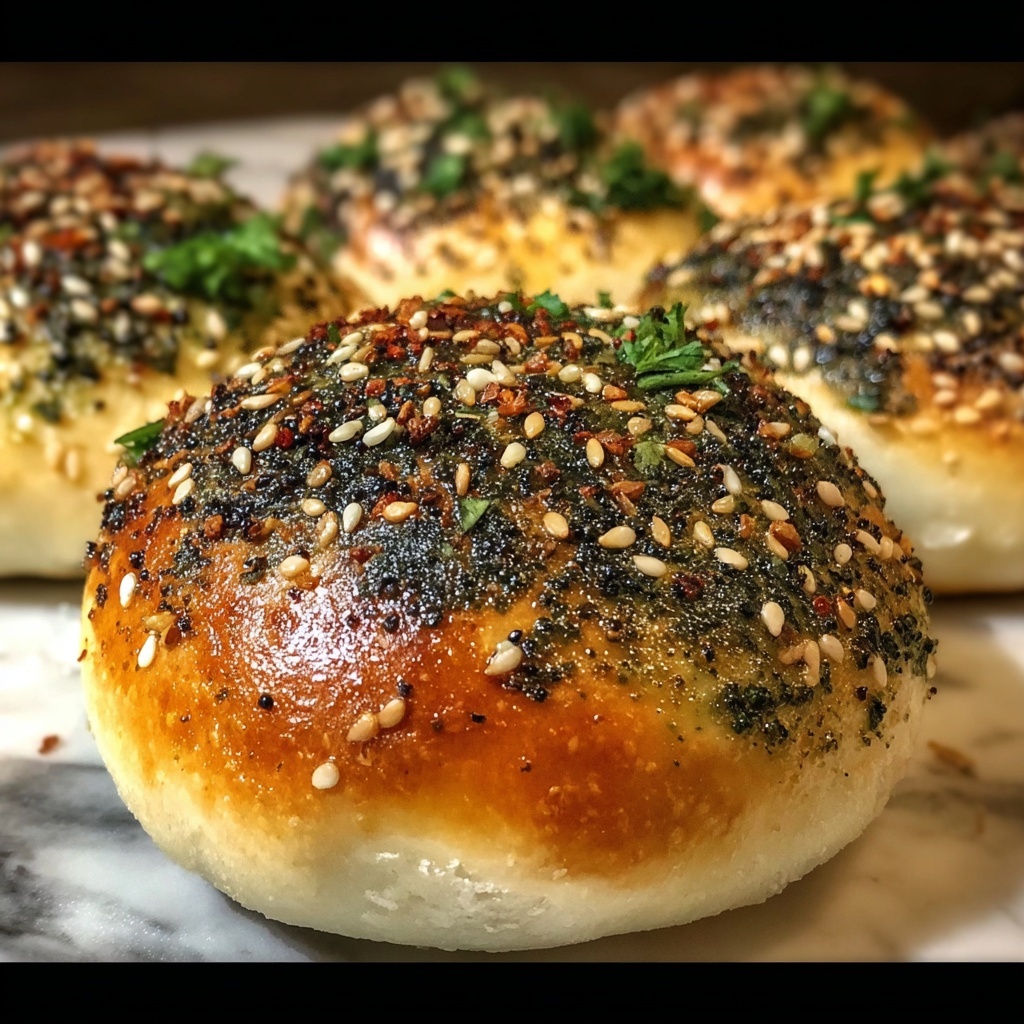
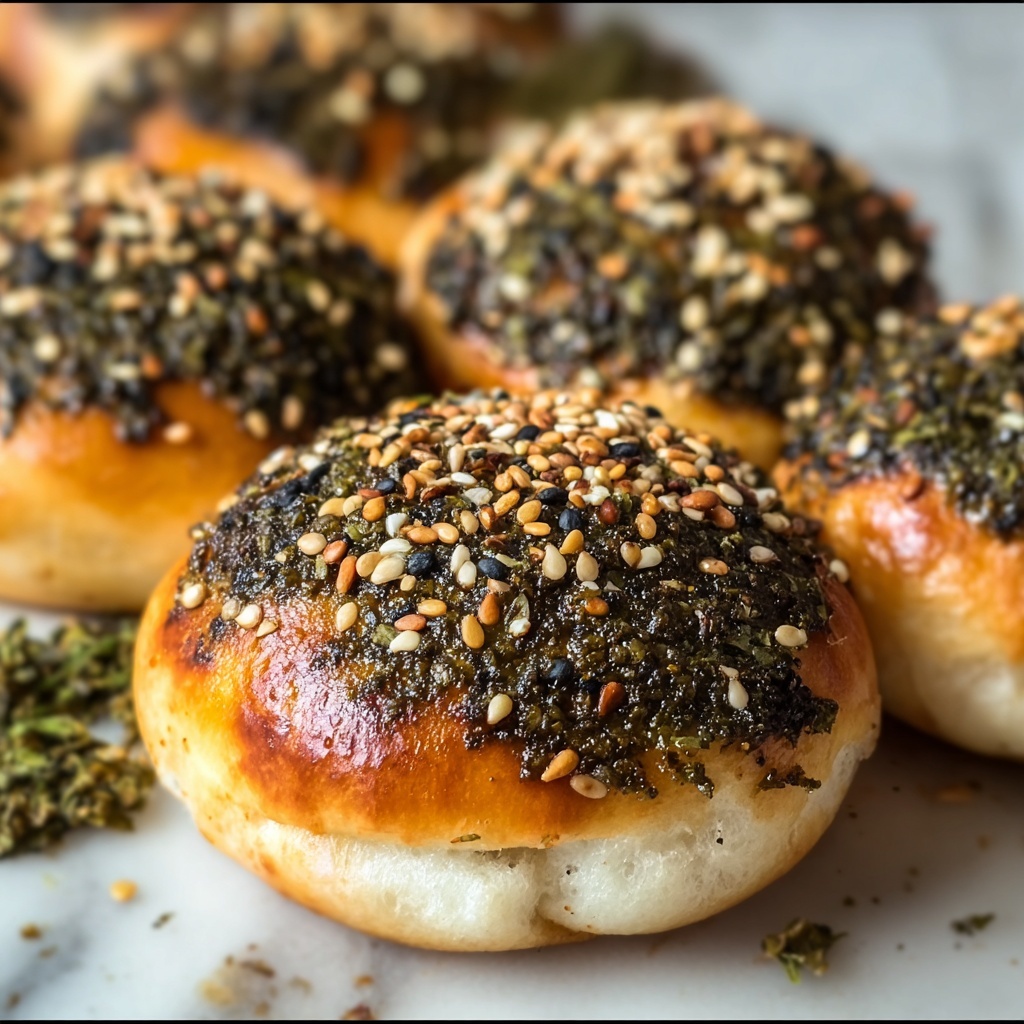
If you are craving a bread experience that combines aromatic herbs with a fluffy, buttery texture, this Za’atar Buns Recipe is exactly what you need. These golden, soft buns are infused with the earthy, vibrant flavors of za’atar and a drizzle of olive oil, making each bite a delightful dance of Middle Eastern tradition and comforting home baking. Whether you’re new to baking or a seasoned baker looking to wow your friends, this recipe transforms simple ingredients into irresistible, fragrant buns perfect for any occasion.
Ingredients You’ll Need
Gathering the ingredients for this Za’atar Buns Recipe is both straightforward and rewarding. Each component plays a crucial role in building the dough’s softness, flavor depth, and that beautiful golden crust.
- Plain flour (800g, up to 1kg): The foundation of your dough, providing structure while extra flour helps adjust humidity variations.
- Caster sugar (25g): Adds a touch of sweetness to balance the tangy za’atar and feed the yeast for a perfect rise.
- Salt (2 tsp): Enhances all the flavors and controls yeast activity for a well-balanced dough.
- Easy-bake yeast (21g) or fresh yeast (45g): Essential for leavening, creating light and airy buns.
- Butter (100g, melted): Gives rich flavor and moistness to the dough.
- Warm milk (400ml): Activates the yeast and keeps the dough tender.
- Eggs (2): Contribute to the dough’s richness and build structure.
- Olive oil (150ml): Infuses extra fruitiness that pairs beautifully with za’atar.
- Za’atar (175g): The star herb blend that adds a tangy, earthy punch to the buns.
- Egg wash (1 beaten egg): Creates that irresistible shiny, golden crust.
- Sesame seeds (50g): Provide a nutty crunch and visual appeal on top.
How to Make Za’atar Buns Recipe
Step 1: Prepare the Dough
Start by combining the flour, sugar, salt, and yeast in a large bowl, mixing these dry ingredients thoroughly to evenly distribute the yeast and seasoning throughout the flour.
Step 2: Combine Wet Ingredients
In a separate bowl, whisk together the melted butter, warm milk, and eggs until well combined, ensuring your liquids are warm but not hot to keep the yeast happy.
Step 3: Mix to Form Dough
Gradually pour the wet mixture into the dry ingredients and stir gently to bring the dough together, readying it for kneading.
Step 4: Knead the Dough
Knead the dough by hand or with a dough hook until it’s smooth and springy—this is when the gluten develops, giving your buns their soft, elastic texture. If it’s too sticky, add flour sparingly to avoid making the dough tough.
Step 5: First Rise
Shape the dough into a ball, put it in an oiled bowl, cover it with cling film, and let it rise in a warm spot for about 25 minutes. This step allows the yeast to work its magic, doubling the dough size.
Step 6: Roll Out the Dough
Lightly flour your work surface and roll the dough into a rectangular shape about 50 by 25 centimeters—this shape is key for spreading the za’atar evenly.
Step 7: Add Za’atar and Olive Oil
Mix the olive oil and za’atar together in a bowl, then spread the mixture evenly across the rolled dough, ensuring every bite has that herby, fragrant kick.
Step 8: Shape the Buns
Starting from the longer side, roll the dough tightly like a giant sausage. This rolling technique creates those lovely spirals inside each bun.
Step 9: Slice into Rounds
Cut the rolled dough into approximately 2 cm thick rounds, which will puff beautifully into individual buns.
Step 10: Arrange in Baking Tin
Place your cut slices cut-side up in a lined roasting tin, leaving room for them to rise further; this space ensures they don’t merge into one massive loaf.
Step 11: Egg Wash and Sesame Topping
Brush the tops of the buns with beaten egg to help create a golden color, then sprinkle sesame seeds generously for that perfect finish.
Step 12: Final Rise
Cover loosely and let the buns proof for an additional 15 minutes, giving them a chance to puff up just before baking.
Step 13: Preheat the Oven
Set your oven to 210°C (410°F) or gas mark 6½, ensuring it’s hot enough for a crisp crust but soft interior.
Step 14: Bake to Perfection
Bake your buns for 20 to 25 minutes, until golden brown and puffed, filling your kitchen with an amazing aroma that hints at the deliciousness to come.
Step 15: Cool Slightly and Serve
Remove the buns from the tin and allow them to cool just enough so that the za’atar flavors settle but they remain soft and warm for serving.
How to Serve Za’atar Buns Recipe
Garnishes
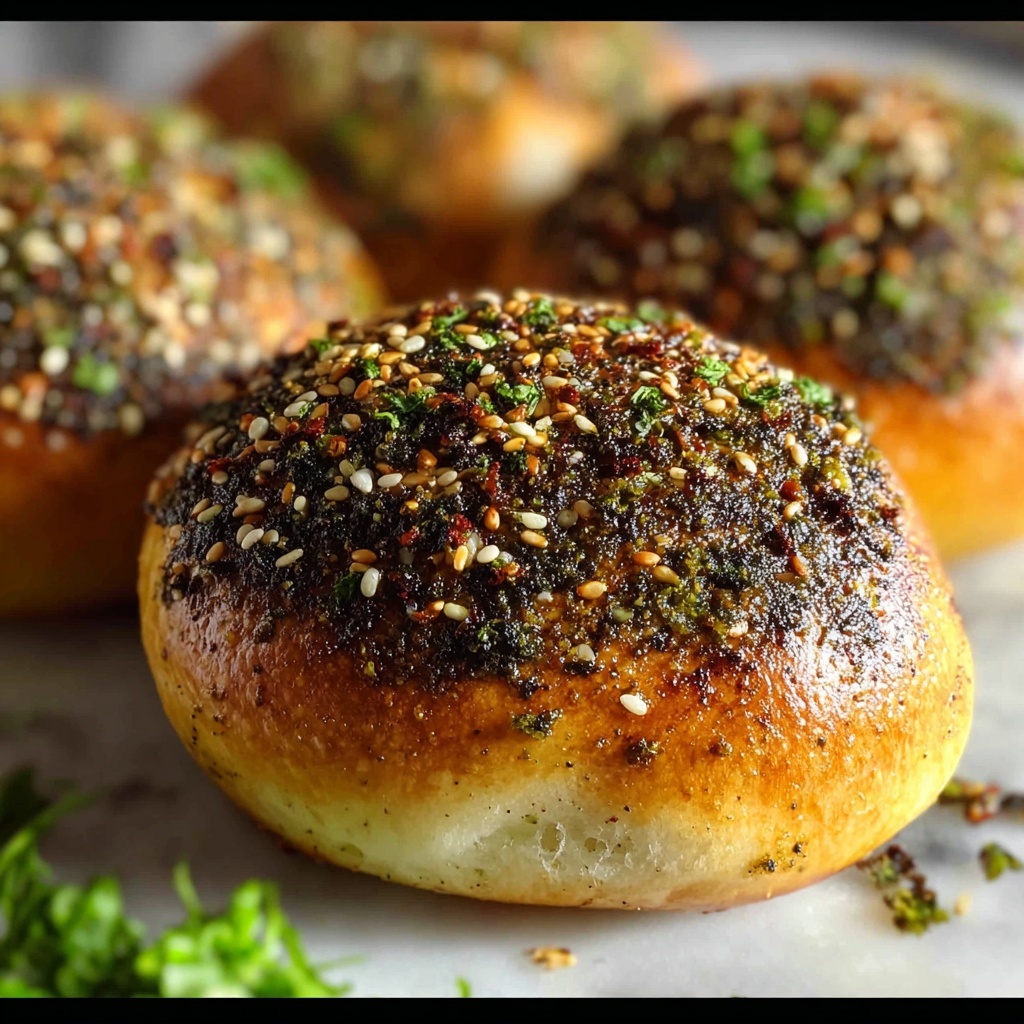
A sprinkling of fresh herbs like parsley or a drizzle of olive oil over warm buns can elevate the flavor even more. Pair with labneh or creamy feta cheese for creaminess that balances the herby spiced dough.
Side Dishes
Za’atar buns shine alongside fresh tomato slices, olives, or simple salads with lemon and olive oil dressing. They make a fantastic accompaniment to Middle Eastern mezze or even simple soups for a wholesome meal.
Creative Ways to Present
Serve these buns sliced open and filled with roasted vegetables, grilled halloumi, or a smear of hummus for a lovely twist. They also make excellent sliders, perfect for entertaining or a casual family meal.
Make Ahead and Storage
Storing Leftovers
Keep any leftover buns in an airtight container at room temperature for up to two days to preserve freshness. They remain wonderfully soft but should be consumed within this timeframe for best taste.
Freezing
You can freeze the buns once completely cooled by placing them in a freezer bag or wrap. Frozen, they stay good for up to three months—ideal for baking in batches and enjoying later.
Reheating
To revive your buns, wrap them in foil and warm in the oven at 180°C (350°F) for 10-15 minutes, or heat gently in a microwave with a damp paper towel to keep them moist and fresh-tasting.
FAQs
Can I use different flour for Za’atar Buns Recipe?
While plain flour works best for the right texture and rise, you can experiment with bread flour for a chewier crumb or a mix of whole wheat for a nuttier flavor. Just be mindful it may alter the softness slightly.
Is fresh yeast better than easy-bake yeast?
Both types of yeast will work well. Fresh yeast tends to give a slightly faster and more consistent rise, but easy-bake yeast sachets are very convenient and reliable, especially for beginner bakers.
How important is the olive oil and za’atar mixture in this recipe?
This mixture is crucial since it infuses the dough with flavor and moisture. Za’atar alone might be dry, but combined with olive oil, it creates the signature herby aroma and tender swirls inside the buns.
Can I make these buns vegan?
You can try substituting the eggs with flax eggs or an egg replacer and use plant-based milk and butter alternatives. The texture might differ slightly, but the taste will still be delicious.
What’s the best way to serve za’atar buns for a party?
Arrange them in a basket lined with a cloth napkin to keep warm, paired with small bowls of dips like hummus, labneh, and olives. This interactive spread invites guests to tear and share them easily.
Final Thoughts
Making this Za’atar Buns Recipe is more than just baking bread; it’s creating cozy moments filled with irresistible aromas and flavors that bring loved ones together. I encourage you to dive in, enjoy the process, and savor every delicious bite—you might just find these buns becoming one of your new favorites!
Print
Za’atar Buns Recipe
- Prep Time: 20 minutes
- Cook Time: 25 minutes
- Total Time: 1 hour 10 minutes
- Yield: 20 buns
- Category: Bread
- Method: Baking
- Cuisine: Middle Eastern
Description
These Za’atar Buns are aromatic, soft, and irresistibly flavorful rolls infused with the Middle Eastern herb blend za’atar. Perfect for breakfast or as a savory snack, these buns feature a tender dough enriched with butter and eggs, rolled with a za’atar and olive oil mixture, then baked to golden perfection and topped with sesame seeds for a delightful crunch.
Ingredients
Dough Ingredients
- 800g plain flour (may need up to 1kg, depending on humidity)
- 25g caster sugar
- 2 tsp salt
- 21g (3 sachets) easy-bake yeast or 45g fresh yeast
- 100g butter, melted
- 400ml warm milk
- 2 eggs
Filling and Topping
- 150ml olive oil
- 175g za’atar
- 1 egg, beaten (for egg wash)
- 50g sesame seeds
Instructions
- Prepare the Dough: In a large bowl, combine the plain flour, caster sugar, salt, and yeast to prepare your dry ingredients. This will form the base of your soft and airy dough.
- Mix Wet Ingredients: In a separate bowl, whisk together the melted butter, warm milk, and eggs until well combined, creating a rich and smooth mixture.
- Combine Wet and Dry: Gradually stir the wet mixture into the dry ingredients, mixing until a dough forms. This ensures even hydration of the flour and activates the yeast.
- Knead the Dough: Knead the dough by hand or with a dough hook on a mixer until it becomes smooth and springy. Add extra flour if needed to prevent stickiness, but be cautious not to add too much to keep the buns tender.
- First Rise: Shape the dough into a ball, place it in an oiled bowl, cover with cling film, and let it rise in a warm place for about 25 minutes until it has visibly expanded.
- Roll Out Dough: Lightly dust a work surface with flour and roll the dough into a rectangle approximately 50 by 25 cm in size, preparing it for filling.
- Prepare Filling: Mix the olive oil and za’atar in a small bowl until combined. Spread this fragrant mixture evenly over the rolled-out dough.
- Shape into Log: Starting from the long edge, gently roll the dough into a tight log, creating a large cylindrical shape like a “giant sausage.”
- Slice the Rolls: Cut the rolled dough into roughly 2 cm thick slices to yield about 20 individual buns with beautiful layered swirls.
- Arrange in Tin: Place the bun slices cut-side up in a roasting tin lined with baking parchment, leaving space between each to allow for expansion during baking.
- Egg Wash and Sesame Topping: Brush the tops of the buns with the beaten egg for a shiny finish, then sprinkle generously with sesame seeds for added texture and flavor.
- Second Rise: Cover loosely and let the buns rise again for about 15 minutes to puff up and develop a light crumb.
- Preheat Oven: Heat the oven to 210°C (410°F), or gas mark 6½, ensuring it reaches the correct temperature for perfect baking.
- Bake the Buns: Bake in the preheated oven for 20 to 25 minutes until the buns turn golden brown and puff up nicely, signaling they are cooked through.
- Cool Slightly: Remove the buns from the tin and allow them to cool slightly on a wire rack before serving.
- Serve: Enjoy warm or at room temperature, served alongside fresh tomatoes, creamy labneh, and salty feta cheese for a delicious Middle Eastern-inspired treat.
Notes
- If the dough feels too sticky during kneading, add flour gradually but avoid adding too much to keep the buns soft.
- Ensure the milk used is warm, not hot, to activate the yeast without killing it.
- The amount of flour can vary depending on humidity; adjust as needed to achieve the right dough consistency.
- Use fresh za’atar for the best flavor, or alternatively a good quality store-bought blend.
- For a vegan version, omit eggs and butter and substitute with plant-based alternatives.
- These buns are best eaten fresh but can be stored in an airtight container for up to two days or frozen for longer storage.