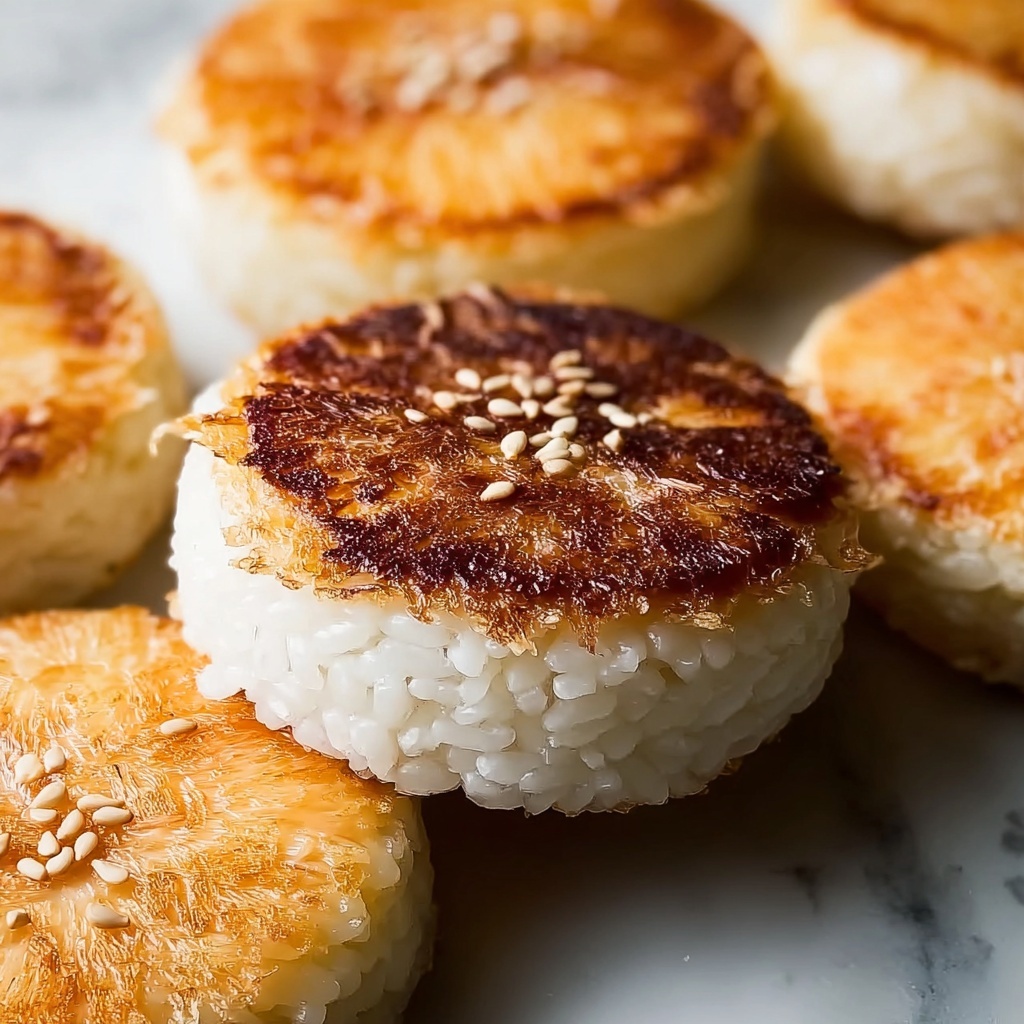
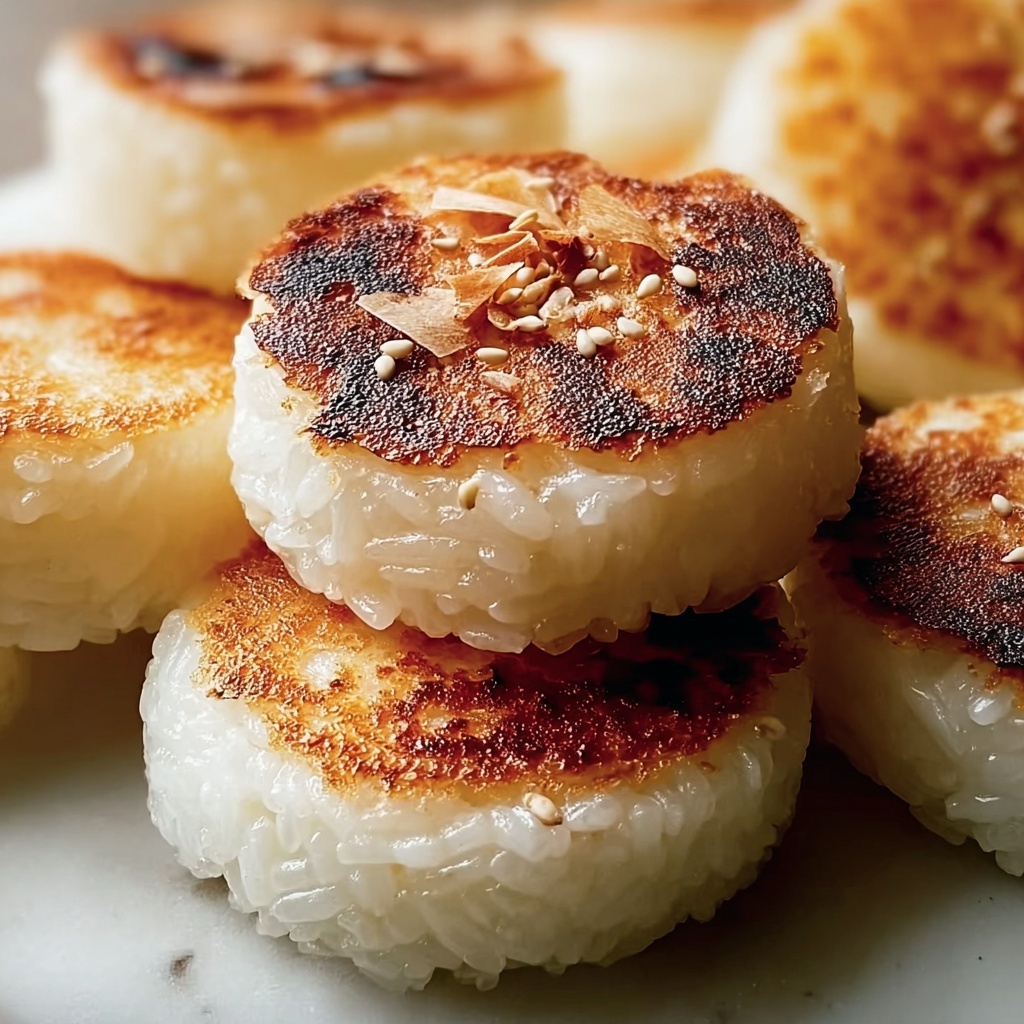
If you’ve ever wanted to experience the magic of Filipino holiday flavors in a single bite, then dive right into Bibingka Recipes: Filipino Rice Cake with Coconut and Cheese Recipe. This luscious rice cake blends the creamy richness of coconut milk with a subtle cheesy tang, creating a comforting harmony that’s both nostalgic and exciting. Perfectly soft with a golden crust kissed by melted butter and sprinkled sugar, this dish transforms humble ingredients into an unforgettable celebration of taste and tradition. Let me walk you through what makes this dessert a true heartwarmer.
Ingredients You’ll Need
Gathering simple yet essential ingredients is the key to nailing this beloved Filipino dessert. Each component plays a vital role—from lending moisture and fluffiness to imparting complex flavor layers and beautiful color.
- Rice flour: Provides the signature texture and subtle nutty flavor that defines bibingka.
- All-purpose flour: Adds structure and helps keep the cake tender.
- Baking powder: Ensures the rice cake rises to a light, airy perfection.
- Salt: Balances the sweetness and enhances overall flavor.
- Granulated sugar: Sweetens the cake just right while aiding browning.
- Large eggs: Bind ingredients together and enrich the batter.
- Coconut milk: Infuses the cake with luscious tropical creaminess.
- Unsalted butter, melted: Adds moisture and a rich, buttery taste.
- Vanilla extract: Brightens the flavor with its sweet aroma.
- Grated mild cheese (cheddar or Edam): Offers a mellow salty tang that perfectly contrasts the sweetness.
- Salted eggs, sliced (optional): Give an authentic and traditional Filipino flair to your bibingka.
- Banana leaves for lining (optional): Impart subtle earthiness and help prevent sticking.
- Additional melted butter for brushing: Creates a luscious finish on top.
- Extra sugar for topping: Caramelizes beautifully for a delightful crunch.
How to Make Bibingka Recipes: Filipino Rice Cake with Coconut and Cheese Recipe
Step 1: Prepare Your Pan and Heat the Oven
First, preheat your oven to 375°F. If you want to go the traditional route, lightly pass banana leaves over a flame to soften them, then line a 9-inch round baking pan. Not only do these leaves add authentic fragrance, but they also give the bibingka a rustic charm. After that, grease everything well with butter to ensure your cake comes out effortlessly.
Step 2: Mix the Dry Ingredients
In a large bowl, whisk together rice flour, all-purpose flour, baking powder, salt, and sugar. This step makes sure all your dry components are evenly combined, setting a perfect foundation for the batter.
Step 3: Combine the Wet Ingredients
In another bowl, beat your eggs. Then add coconut milk, melted butter, and vanilla extract, mixing until smooth. Coconut milk is the heart and soul of this recipe, lending a luxuriously creamy texture that makes each bite melt in your mouth.
Step 4: Blend Wet and Dry Mixtures
Pour the wet ingredients into the bowl with your dry mixture, stirring just until everything is incorporated into a smooth, luscious batter. Avoid overmixing to keep the cake light as air.
Step 5: Assemble and Bake
Pour the batter into your prepared pan, spreading it evenly. Sprinkle the grated cheese all over the top and, if you’re feeling traditional, arrange slices of salted egg over it. Bake your bibingka for 25 to 30 minutes or until the top is set, lightly golden, and a toothpick inserted in the center comes out clean—this beautiful golden crust is what everyone looks forward to.
Step 6: Finish with Butter and Sugar
Once baked, remove the cake from the oven and immediately brush the top with melted butter. Then sprinkle extra sugar on top and return it to the oven for 2 to 3 minutes to allow that sugar to caramelize into a delicate, sweet crust. This final touch not only amplifies texture but also lifts the flavor to new heights.
How to Serve Bibingka Recipes: Filipino Rice Cake with Coconut and Cheese Recipe
Garnishes
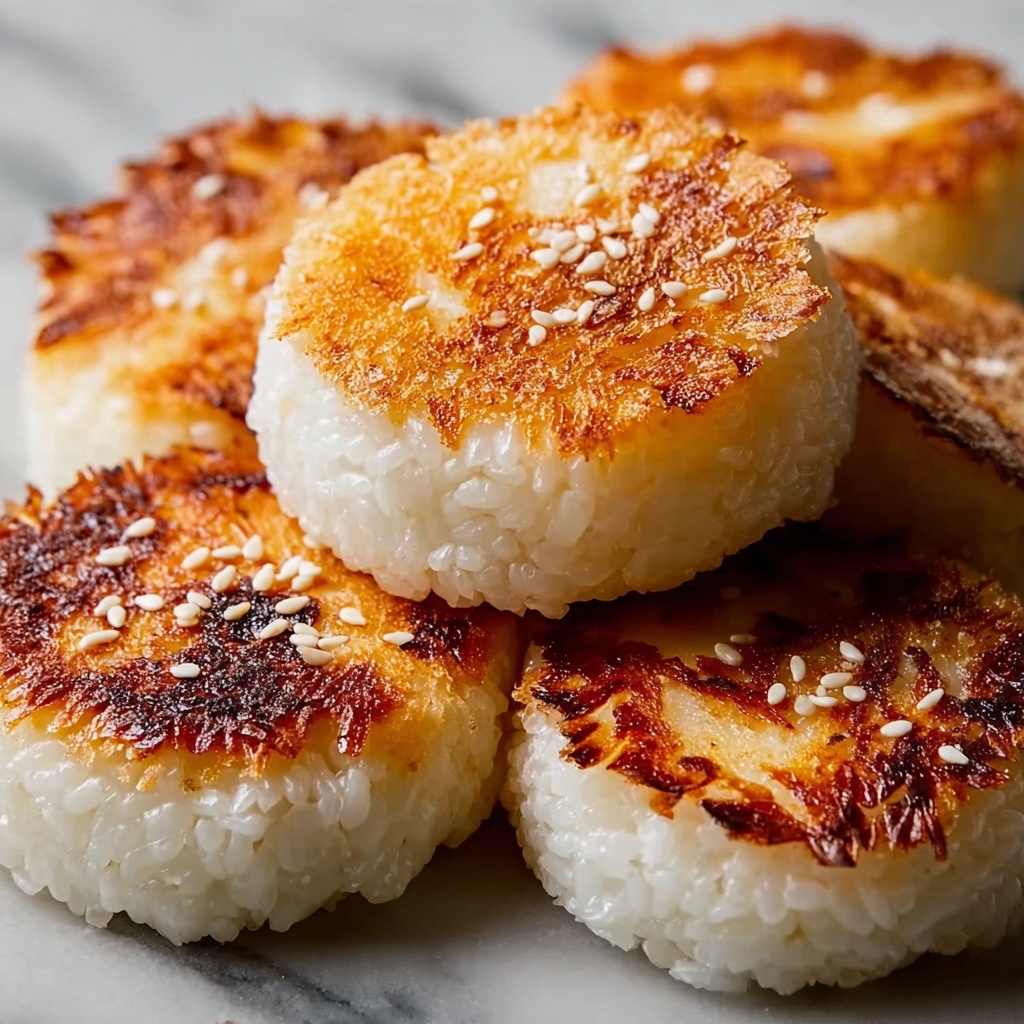
While a warm slice of bibingka is delicious on its own, adding traditional or creative garnishes brings extra joy to every bite. Consider topping with shredded coconut for a fresh contrast, or a little extra cheese if you crave cheesiness. A light dusting of toasted coconut flakes or slivered almonds also adds wonderful texture and aroma.
Side Dishes
Pair your bibingka with a hot cup of tsokolate (Filipino hot chocolate) or fresh brewed coffee to balance its sweetness perfectly. If you’re serving this during a festive gathering, small sides like fresh mango slices or tropical fruits complement bibingka’s creamy, cheesy notes brilliantly.
Creative Ways to Present
For a charming presentation, serve your bibingka in individual mini molds lined with banana leaves—this approach brings a special festive vibe, ideal for holiday celebrations or family get-togethers. You can also cut the cake into bite-sized pieces and thread them with small decorative forks for easy sharing at parties.
Make Ahead and Storage
Storing Leftovers
If you have leftovers (which can happen, but rarely do), store your bibingka in an airtight container in the refrigerator. It will stay moist and flavorful for up to three days, allowing you to enjoy that Filipino rice cake magic even after the initial feast.
Freezing
You can freeze bibingka, but it’s best to wrap it tightly in plastic wrap followed by aluminum foil to prevent freezer burn. Frozen bibingka should be consumed within a month for optimal taste. Thaw it overnight in the fridge before reheating.
Reheating
To bring back that fresh-baked warmth and melt the butter topping beautifully, reheat your bibingka slices in a preheated oven at 325°F for about 10 minutes. Avoid microwaving if possible, as it can alter the texture. A warm slice fresh from the oven tastes just like newly baked!
FAQs
What is bibingka exactly?
Bibingka is a traditional Filipino rice cake made from rice flour and coconut milk, baked with toppings like cheese and salted eggs. It has a delightfully soft, slightly chewy texture with a caramelized buttery crust.
Can I make bibingka without banana leaves?
Absolutely! Banana leaves add a lovely aroma and aesthetic but are optional. You can line your baking pan with parchment paper or simply grease it well to prevent sticking.
Is bibingka gluten-free?
Traditional bibingka made solely with rice flour is gluten-free. However, this particular recipe includes all-purpose flour, so it is not gluten-free as is. You can substitute the all-purpose flour with a gluten-free blend to make it suitable.
What cheese is best for bibingka?
Mild cheeses like cheddar or Edam work best because they add a creamy, slightly salty flavor that balances the sweetness without overpowering the cake’s delicate coconut essence.
Can I use coconut cream instead of coconut milk?
Coconut cream is thicker and richer, so using it might make the batter heavier. If you want to substitute, consider thinning it with water to approximate the consistency of coconut milk for the best results.
Final Thoughts
Trust me when I say that diving into Bibingka Recipes: Filipino Rice Cake with Coconut and Cheese Recipe is like opening a warm hug from a good friend. It’s simple enough to make on a whim but special enough to impress everyone at your table. Whether you’re new to Filipino desserts or a longtime fan, this rice cake will have you coming back for more, eager to share its sweet, buttery comfort with everyone you love. So grab your ingredients and get baking—your perfect slice of tradition awaits!
Print
Bibingka Recipes: Filipino Rice Cake with Coconut and Cheese Recipe
- Prep Time: 15 minutes
- Cook Time: 30 minutes
- Total Time: 45 minutes
- Yield: 8 servings
- Category: Dessert
- Method: Baking
- Cuisine: Filipino
- Diet: Vegetarian
Description
Bibingka is a traditional Filipino rice cake that is soft, slightly sweet, and infused with rich coconut milk and melted butter. This delightful dessert is typically enjoyed during the holiday season and often garnished with grated mild cheese and salted egg slices for a unique savory contrast. Baked in banana leaf-lined pans, bibingka carries a distinct aroma and flavor reminiscent of Filipino festivities.
Ingredients
Dry Ingredients
- 1 cup rice flour
- 0.25 cup all-purpose flour
- 2 teaspoons baking powder
- 0.25 teaspoon salt
- 0.75 cup granulated sugar
Wet Ingredients
- 3 large eggs
- 1 cup coconut milk
- 0.25 cup unsalted butter, melted
- 1 teaspoon vanilla extract
Toppings
- 0.5 cup grated mild cheese (such as cheddar or Edam)
- 2 salted eggs, sliced (optional)
- 2 tablespoons unsalted butter, melted for brushing
- 2 tablespoons granulated sugar for topping
Additional
- Banana leaves for lining the pan (optional)
Instructions
- Prepare the Pan: Preheat your oven to 375°F (190°C). If using banana leaves, briefly pass them over an open flame to soften and make them pliable. Line a 9-inch round baking pan with the softened banana leaves, then lightly grease the leaves with butter to prevent sticking.
- Mix Dry Ingredients: In a large mixing bowl, whisk together rice flour, all-purpose flour, baking powder, salt, and sugar until evenly combined.
- Combine Wet Ingredients: In a separate bowl, beat the eggs until frothy. Add coconut milk, melted butter, and vanilla extract and mix thoroughly.
- Make the Batter: Pour the wet ingredients into the dry ingredients and stir gently until the batter is smooth and well incorporated without any lumps.
- Assemble: Pour the batter into the prepared pan lined with banana leaves. Evenly sprinkle grated cheese over the surface. If using, arrange slices of salted egg on top.
- Bake: Place the pan in the preheated oven and bake for 25 to 30 minutes, or until the cake is set, the top is lightly golden, and a toothpick inserted into the center comes out clean.
- Finish the Topping: Remove the bibingka from the oven and immediately brush the surface generously with melted butter. Sprinkle the top with the additional granulated sugar.
- Caramelize Sugar: Return the cake to the oven and bake for an additional 2 to 3 minutes to allow the sugar to lightly caramelize and form a subtle crust.
- Serve: Let the bibingka cool slightly before slicing. Serve warm for the best taste and texture experience.
Notes
- For a more traditional flavor and presentation, bake using individual molds and top with shredded coconut instead of cheese.
- Bibingka is best enjoyed fresh and warm to appreciate its soft texture and fragrant aroma.
- Banana leaves are optional but add a distinctive flavor and aroma to the cake when used.
- Salted eggs can be omitted if preferred for a purely sweet version.